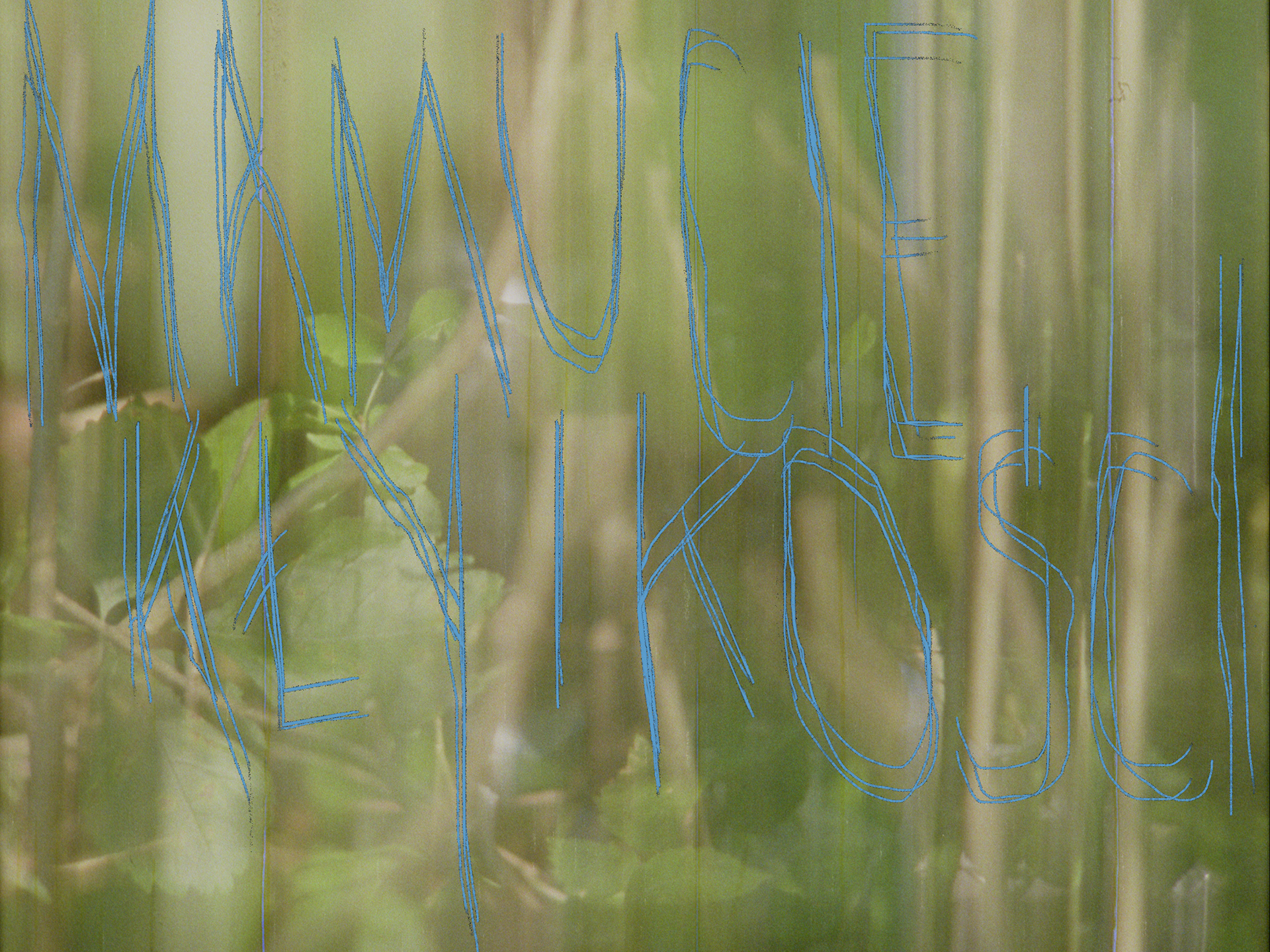
mammoth tusks and bones
video, 15min, 16mm, 2026
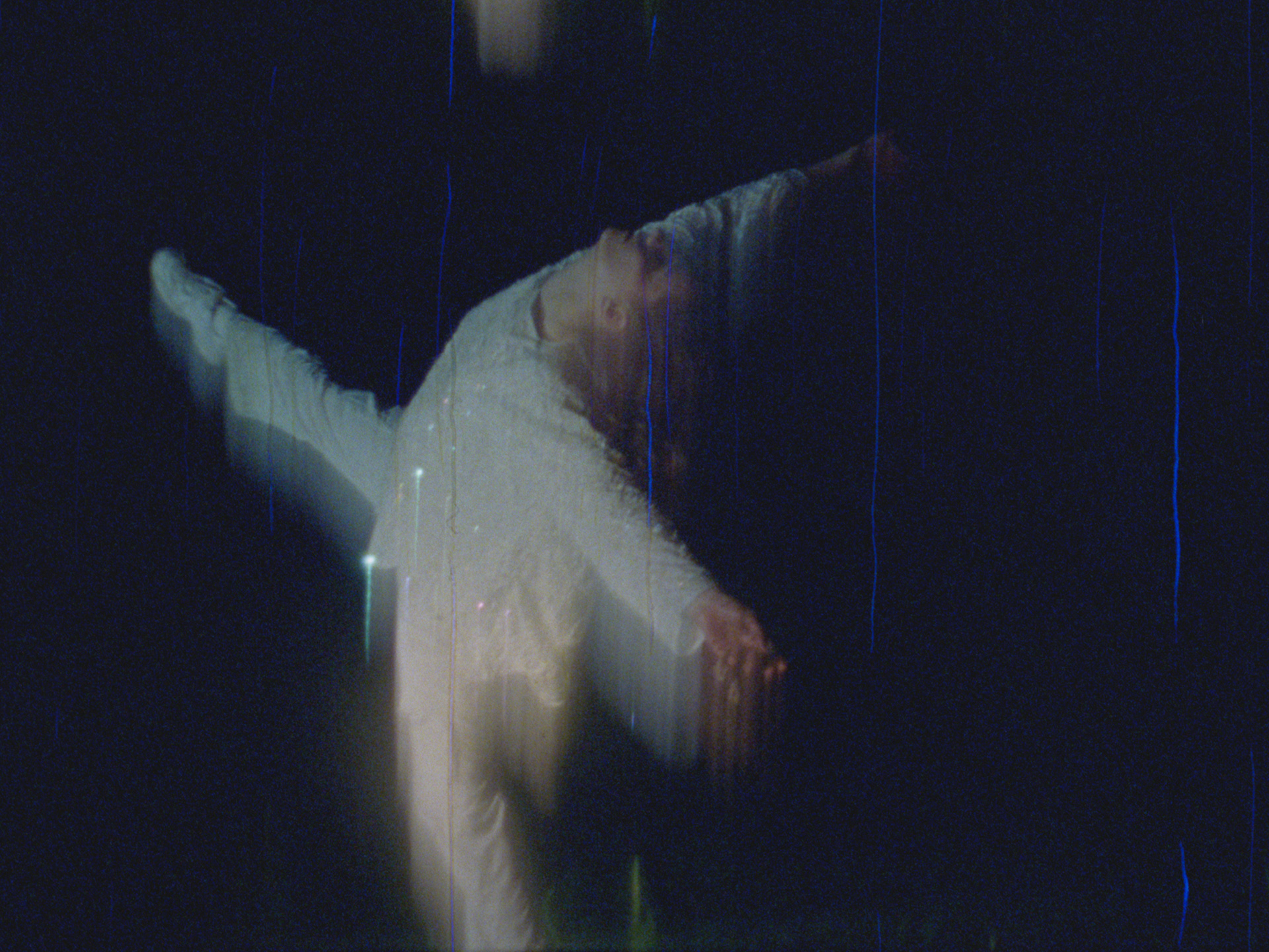
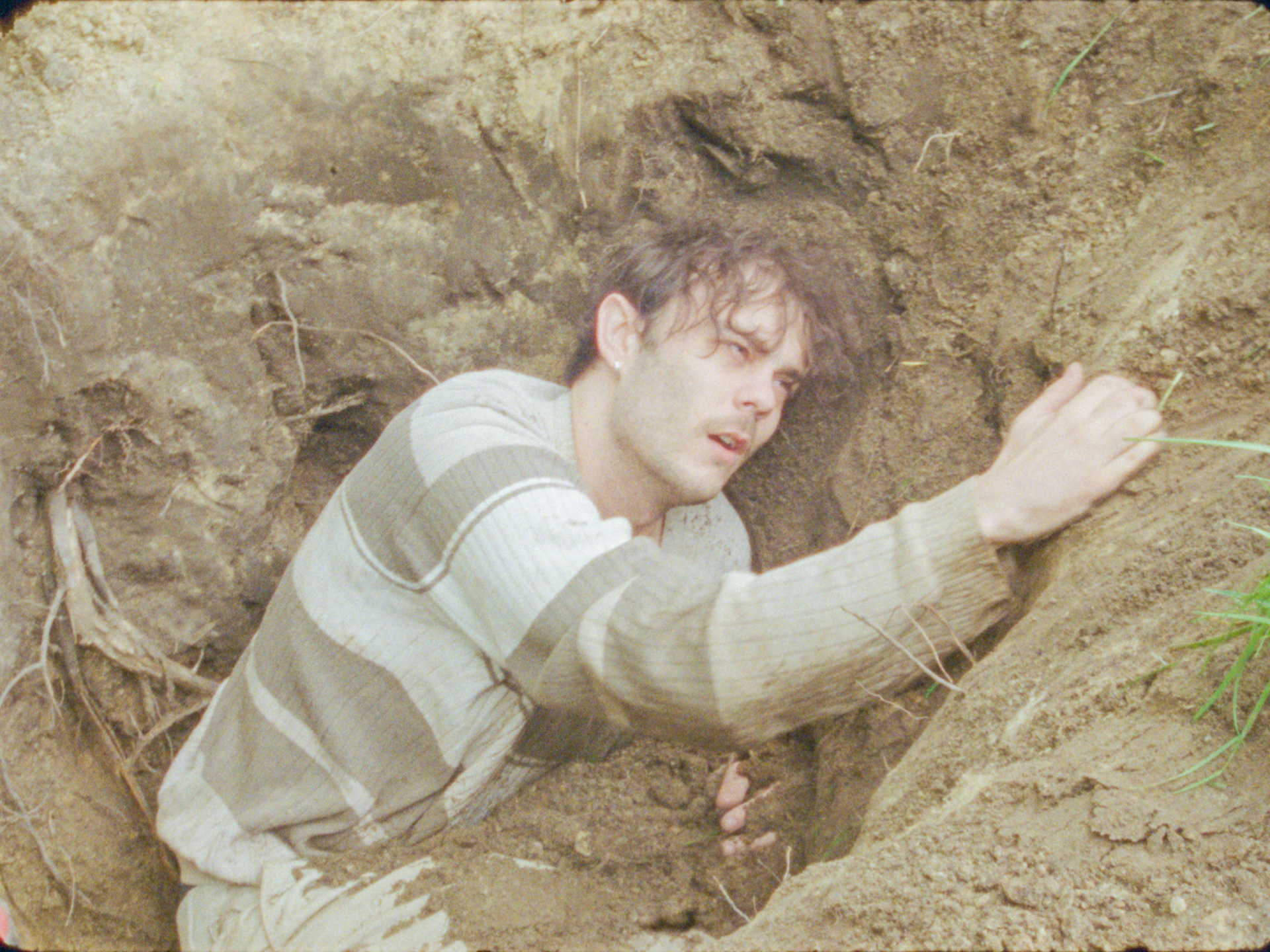
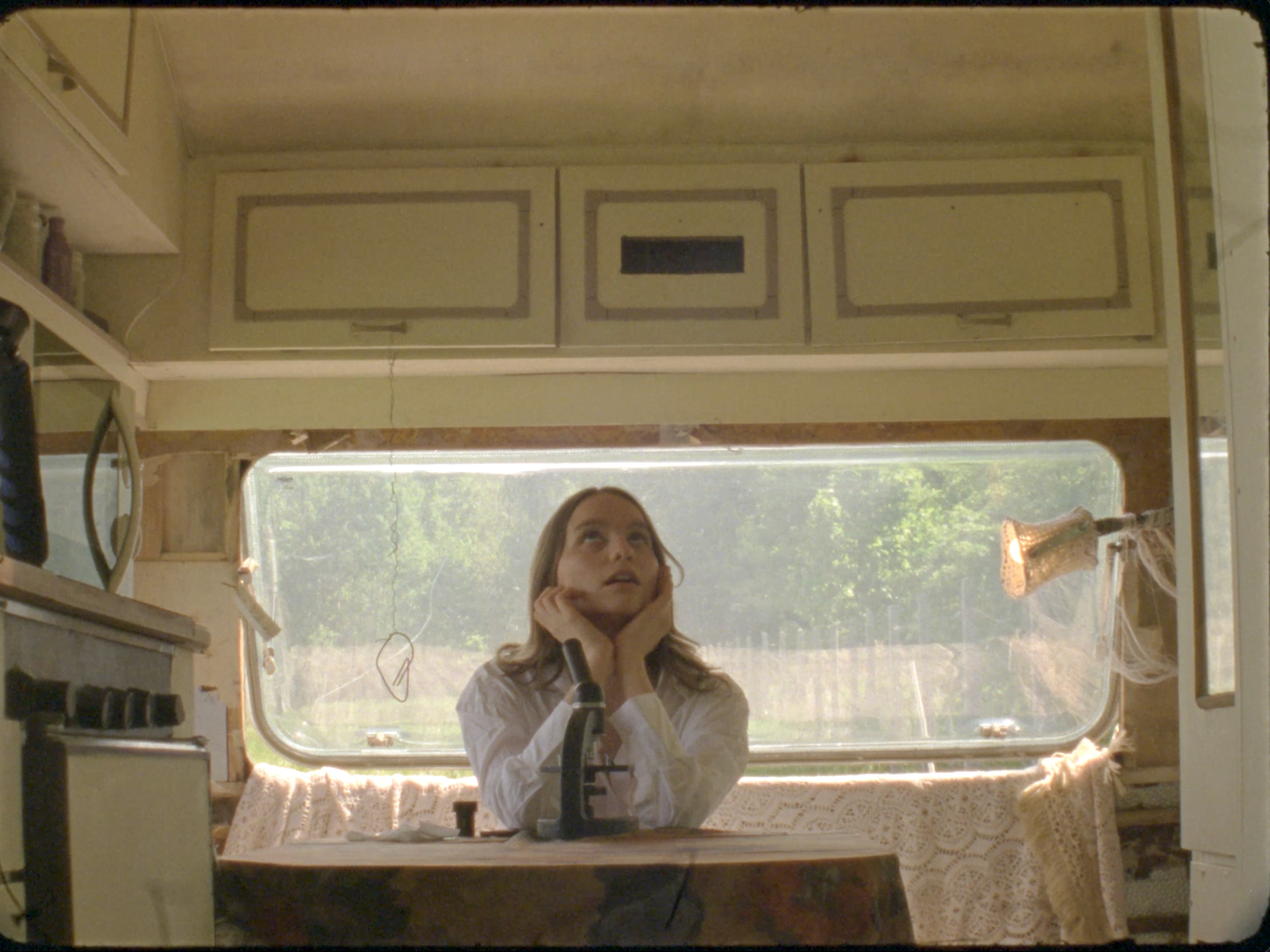
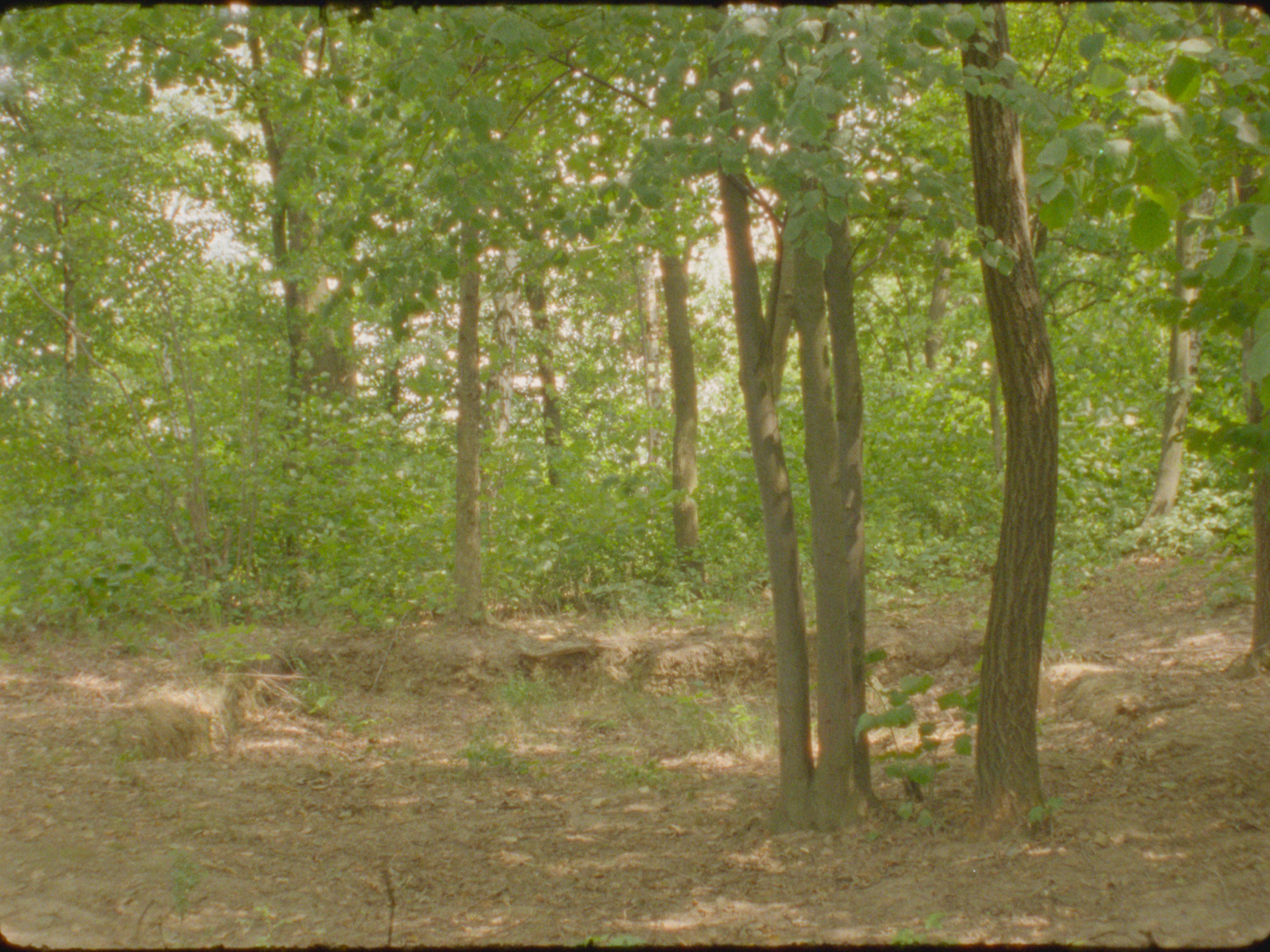
The film was inspired by Spadzista B in Krakow — one of the most important sites of Grave culture archaeology in Europe, with over thirty years of history of mammoth bone excavations. Inspired by this, the film travels through layers of time, earth, and film footage.
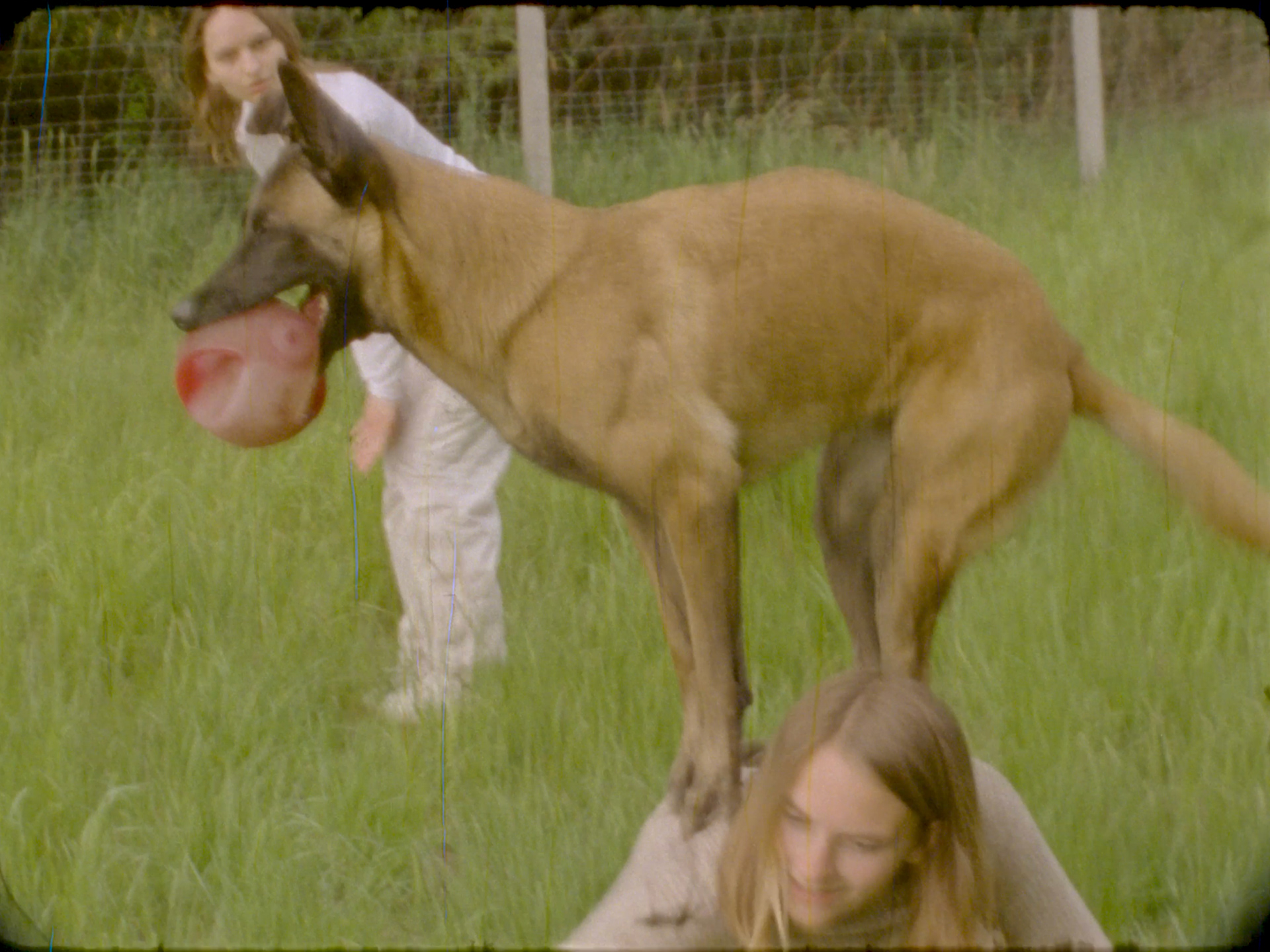
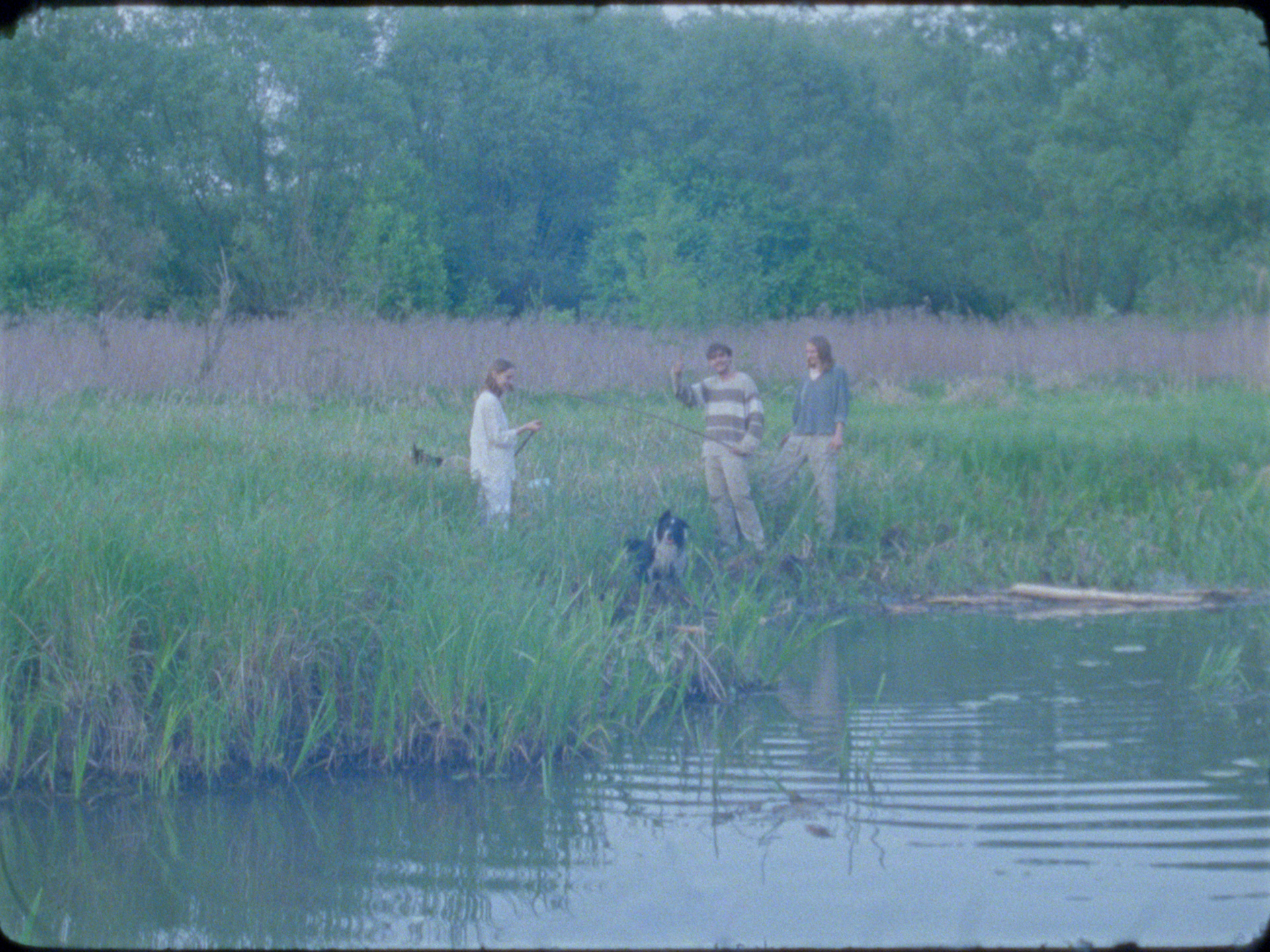
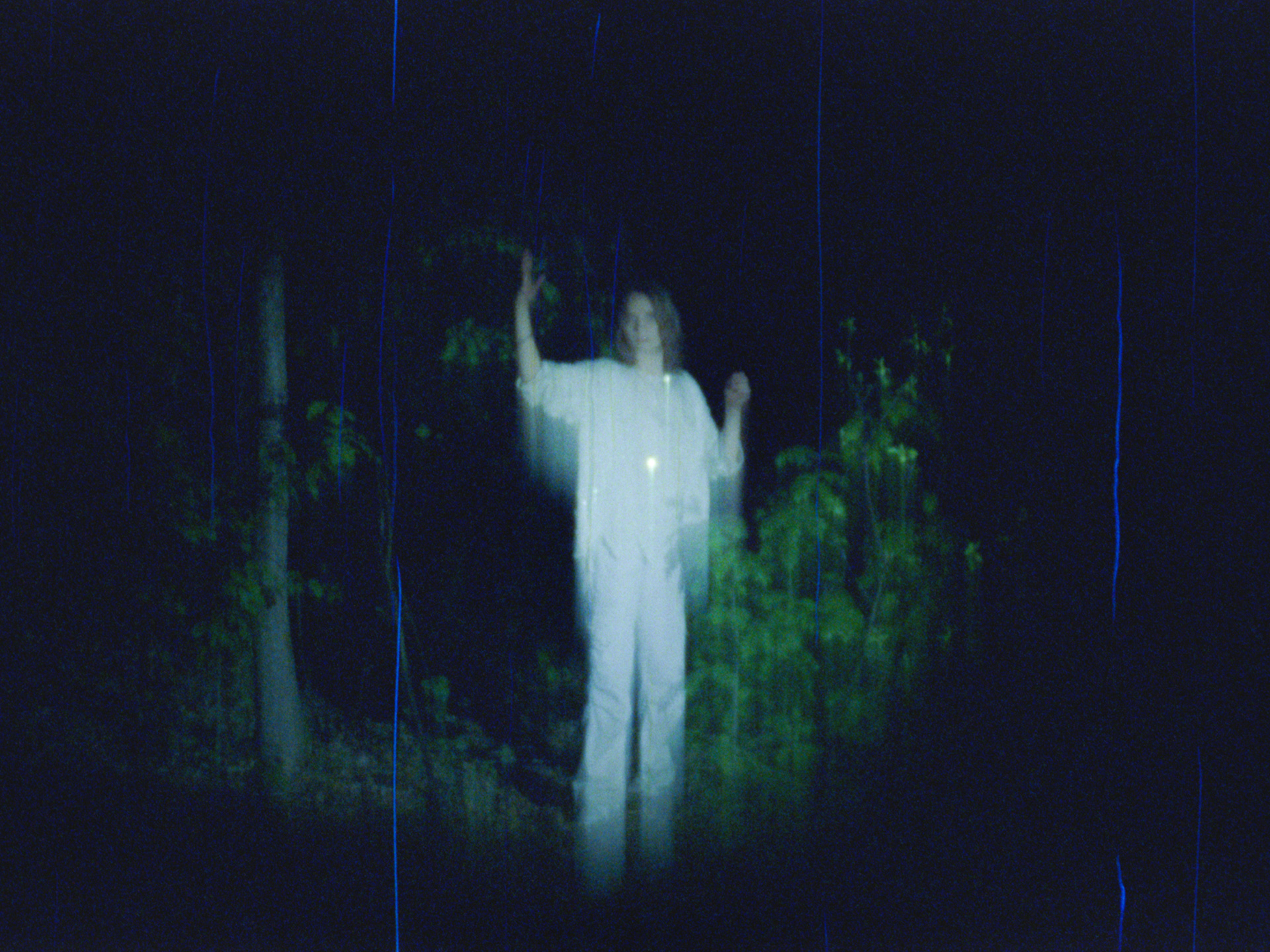
In this space, a peculiar interspecies community is formed — human, animal, spectral — living close to us, yet venturing far away, passing between film frames and temporal landscapes. Their gestures of care, excavation, and play raise an open question:
How can we practice relationships with beings living on other timescales: animals, spirits, sediments, and ghosts of past histories?
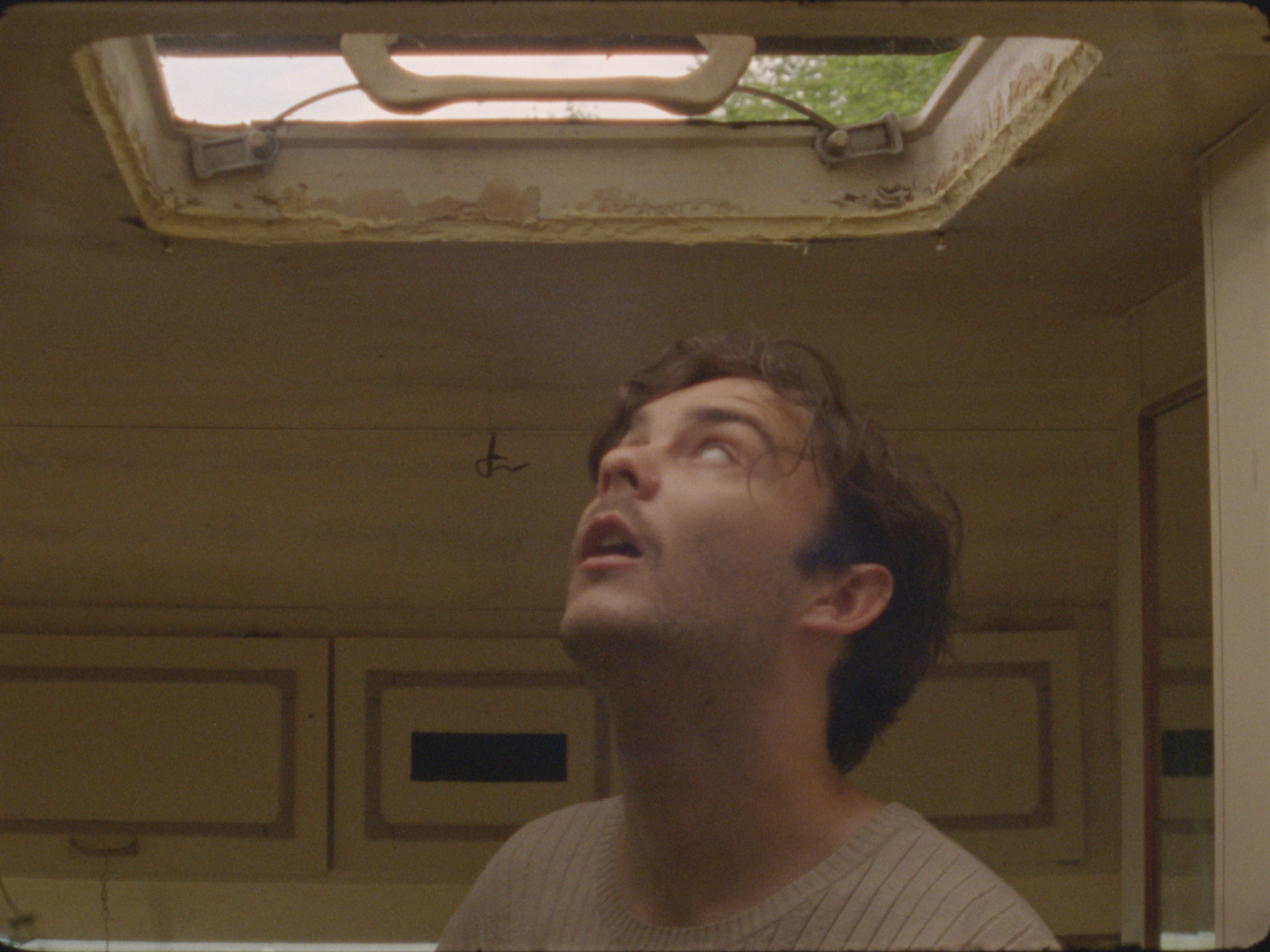
Members of this community treat trash as more than just leftovers: in Eastern European folklore, discarded objects have magical potential and can serve as portals to other worlds.